Chronic Pain
What does "chronic" pain mean?
Long term or extreme?
The word "chronic" indicates that the patient's pain has been present most days for more than 3 months. This is also called "persistent pain".
Chronic or persistent pain is commonly experienced with other symptoms such as poor sleep, feelings of anxiety or 'over-overload', (even without specific worry), pain moving around to different locations, sensitivity to light skin touch and of other senses such as hearing and smell.
Searching for a diagnosis
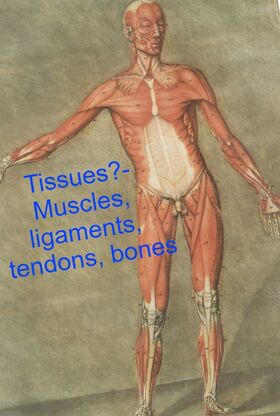
Chronic pain is very often unrelated to 'live' tissue damage as it is often experienced well after the original tissue damage has healed. It is common for individuals experiencing chronic pain to chase after the source of the damaged tissues in search of a diagnosis which could explain
In the mind?
Absolutely not!
However, the patient's mind has to try to interpret what they're experiencing and make sense of it all.
So where is the source of my pain then?
Most chronic pains experienced are associated with what's called "central sensitisation". Here the brain and spinal cord amplify sensory signals making them painful or much more painful than they would be if there was no central sensitisation. The fault is in the brain and spinal cord, not specifically in the tissues themselves
In the mind?
Absolutely not! However, the patient's mind has to try to interpret what they're experiencing and make sense of it all. If there is stress, worry, lack of sleep, fear and depression, these can further amplify the brain and spinal cord responses to those sensory stimuli, leading to greater pain levels. So the patient's mind can influence the pain but that is not to say the pain is not real and "just in your mind".
Target the brain for treatment
Contemporary research shows relationships between alterations in the way the brain processes the senses (hearing / sight / smell / balance / body feedback etc.) and the development of chronic pain.
Specific sensory integration exercises can reverse some of the brain changes associated with chronic pain, as well as reduce muscle tone in tight structures causing persistent muscle tightness.
Body and movement awareness can be retrained using sensorimotor exercises and primitive reflex inhibition. Primitive reflexes are reflexes that drive muscle tone involuntarily, and should have been inhibited during infancy but can be present in remnant form in the adult nervous system.
Assessment of balance and postural control, eye-ball control (oculo-motor function), skin tactile awareness, brain mid-line crossing function and the presence of primitive reflexes is important in order to address some of these key features of recurrent and chronic pain difficulties.